
Understanding Gilbert Syndrome: A Harmless Cause of Raised Bilirubin
By Dr Christopher Irwin · MBChB, FRACGP, MMed (Skin Cancer), FACAM, ASCD · Published 2 July 2026 · Reviewed 2 July 2026
Information for anyone told they have Gilbert syndrome, or who has a blood test showing a mildly raised bilirubin. Bring it along to talk things through with your doctor.
Gilbert syndrome is a common, harmless condition where the level of bilirubin in the blood runs a little higher than average.
What is Gilbert syndrome?
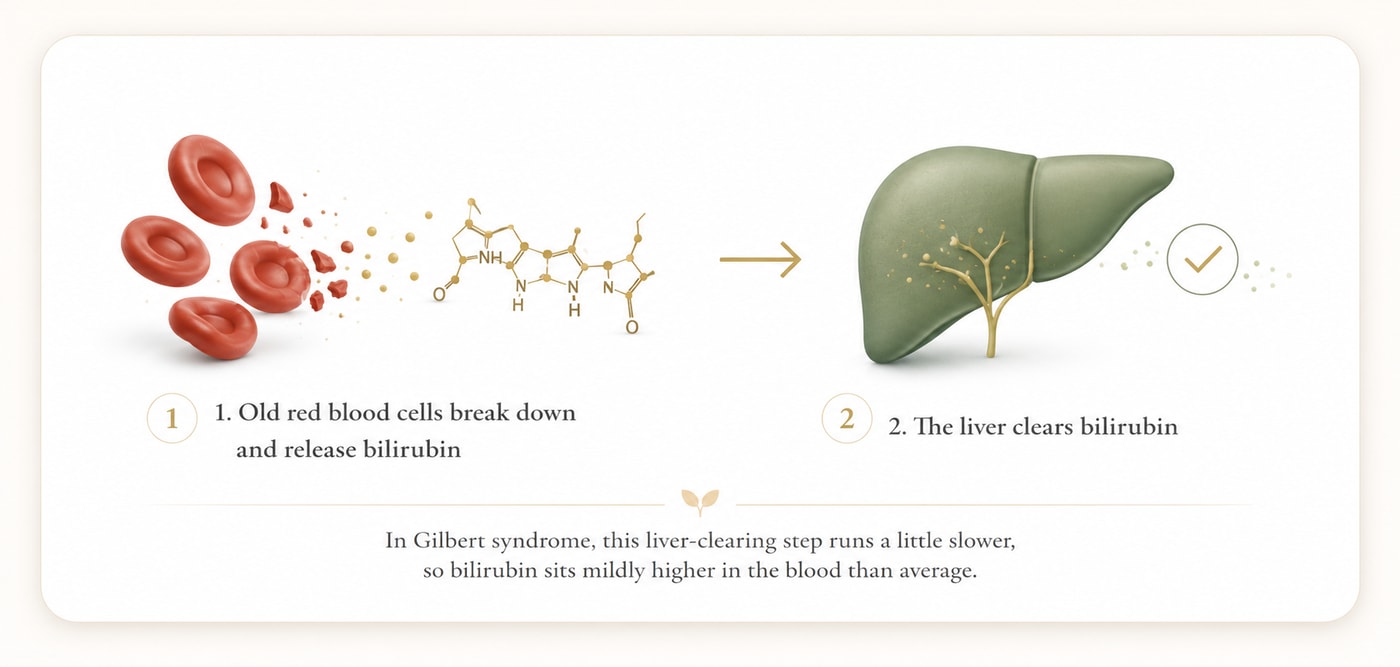
Bilirubin is a normal yellow-coloured waste product made when the body breaks down old red blood cells. The liver usually processes bilirubin and helps remove it from the body. In Gilbert syndrome, this processing step is naturally a bit slower than usual. As a result, bilirubin can build up mildly in the blood.
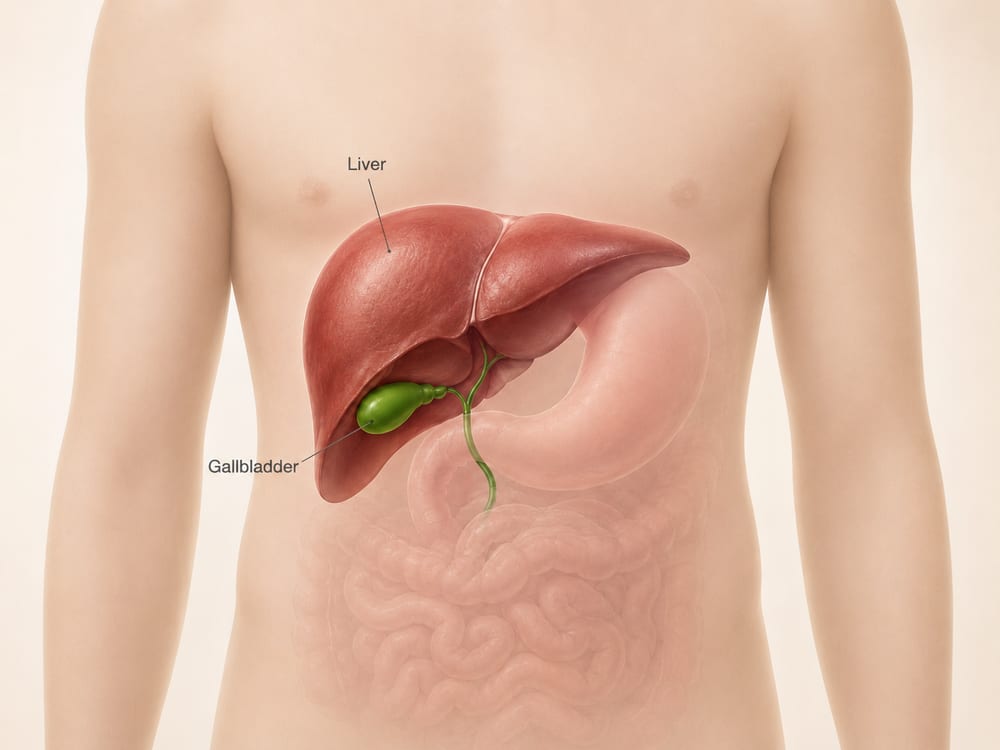
Gilbert syndrome does not mean the liver is damaged. It does not usually cause health problems, and it does not usually need treatment.
A simple way to think about it
In Gilbert syndrome, your body has a naturally higher “baseline” level of bilirubin.
An analogy is room cleaning. Some people like to keep their room spotless, while others — like many teenagers — are comfortable with a few clothes left on the floor. Nothing terrible is happening; it is just their normal baseline.
Gilbert syndrome is similar. The body still deals with bilirubin, but it leaves a little more “lying around” in the blood than average. For most people, this is harmless.
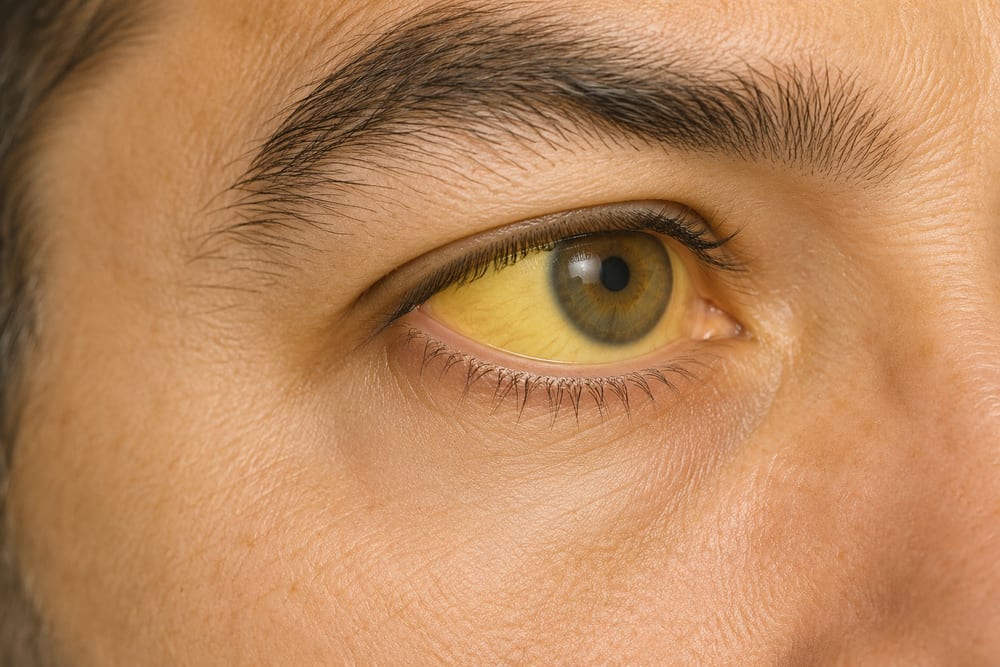
The only practical issue is that if your bilirubin is already a little high, it may not take much extra bilirubin for your eyes or skin to look yellow. This yellowing is called jaundice.
For example, if someone with Gilbert syndrome becomes unwell, fasts, becomes dehydrated, or develops another unrelated liver or bile problem, they may appear jaundiced sooner than someone whose bilirubin usually starts from a lower level.
What symptoms can Gilbert syndrome cause?
Most people with Gilbert syndrome have no symptoms at all. It is often found incidentally on a blood test.
Some people occasionally notice mild yellowing of the whites of the eyes. This can come and go, and may be more noticeable during:
- viral illnesses or infections
- dehydration
- fasting or skipping meals
- physical stress or overexertion
- poor sleep
- emotional stress
- menstruation
Some people report tiredness or vague abdominal symptoms, but these are common symptoms with many possible causes. Gilbert syndrome itself is usually not the cause of significant illness.
How is Gilbert syndrome diagnosed?
Gilbert syndrome is usually diagnosed with blood tests. The typical pattern is:
- mildly raised bilirubin
- mainly unconjugated bilirubin
- otherwise normal liver function tests
- no evidence of increased red blood cell breakdown, known as haemolysis
Your doctor may check tests such as liver enzymes, full blood count, reticulocyte count, LDH and haptoglobin to make sure there is no other explanation for the raised bilirubin.
Genetic testing is rarely needed. Scans are also usually unnecessary unless there are symptoms, abnormal liver tests, or another reason to look for a different cause.
Is Gilbert syndrome dangerous?
No. Gilbert syndrome is considered benign.
It does not usually damage the liver, shorten life expectancy, or require any specific treatment. People with Gilbert syndrome can usually eat normally, exercise normally, and live a normal life.
Does Gilbert syndrome need treatment?
No specific treatment is needed. The main things that can help reduce bilirubin fluctuations are simple general health measures:
- stay well hydrated
- avoid prolonged fasting or crash dieting
- eat regular meals
- rest and recover properly when unwell
- avoid excessive alcohol
- tell your doctor you have Gilbert syndrome when having blood tests or starting new medications
Does it affect medications?
Usually, no. However, Gilbert syndrome can matter for a small number of medications that use similar liver processing pathways.
This is most relevant for certain specialist medications, such as some chemotherapy and antiviral drugs. For routine medications, it is usually not a problem, but it is still worth telling your doctor or pharmacist that you have Gilbert syndrome.
When should I see a doctor?
Even if you have known Gilbert syndrome, you should seek medical advice if you develop:
- new or worsening jaundice
- dark urine
- pale or grey stools
- itchy skin
- abdominal pain
- fever
- vomiting
- unexplained weight loss
- marked fatigue
- yellowing that does not settle
- abnormal liver function tests other than bilirubin
Gilbert syndrome is common and harmless, but not every episode of jaundice should automatically be assumed to be Gilbert syndrome.
Please note: This resource is general information and does not replace personalised medical advice. If you are unsure what your results mean, or you develop any of the warning signs above, please see your doctor.
Key points
- Gilbert syndrome is a common inherited condition where bilirubin sits mildly higher than average.
- It is usually harmless, does not mean the liver is damaged, and does not usually require treatment.
- The bilirubin level may fluctuate, especially during illness, fasting, dehydration, stress or exertion.
- If jaundice is new, severe, persistent, or associated with other symptoms, it should be checked by a doctor.
References
Links open the PubMed record for each source.
- Overview of Gilbert’s syndrome — King D, Armstrong MJ. Drug and Therapeutics Bulletin, 2019;57(2):27–31.
- The genetic basis of the reduced expression of bilirubin UDP-glucuronosyltransferase 1 in Gilbert’s syndrome — Bosma PJ, Chowdhury JR, Bakker C, et al. New England Journal of Medicine, 1995;333(18):1171–1175.
- Hyperbilirubinemia syndromes (Gilbert-Meulengracht, Crigler-Najjar, Dubin-Johnson, and Rotor syndrome) — Strassburg CP. Best Practice & Research Clinical Gastroenterology, 2010;24(5):555–571.
- Gilbert syndrome — Fretzayas A, Moustaki M, Liapi O, Karpathios T. European Journal of Pediatrics, 2012;171(1):11–15.